How Residential Developments Changed the Way I Design Homes

There is a particular kind of education that comes from designing within a residential development context. It asks designers to think beyond the personal tastes and lifestyles of individual clients and identify the small moments of luxury that can make a property memorable within the commercial realities of building at scale. For interior designers working in both developments and private homes, the lessons they can learn in one environment can transfer into the other in interesting and valuable ways. 

This week, we spoke to three interior designers working across multiple homes, clients and property types. Each believes that this variety has sharpened the way they approach their portfolio. It has encouraged a deeper understanding of how homes are built and lived in, a more forensic approach to value, and the recognition that good design factors in more than how a space will look in the photos. From knowing when to spend and when to splurge to understanding the more behind-the-scenes aspects of both kinds of work, the experience of designing residential development has changed the way they work in private homes, often for the better. 

Nick Cryer, founder of Berkeley Place business and interiors
Nick Cryer,
Founder of Berkeley Place

Nick Cryer, Founder of Berkeley Place

For Nick Cryer, founder of Berkeley Place, the high-end residential design studio, working in residential development taught him to evaluate every decision from the lens of long-term value. “It’s not about whether something looks impressive, but whether it improves the property functionally, structurally and commercially,” he says. 

No matter the client or brief, however, Cryer is motivated by a commitment to quality and purpose in every project. “Whether a client is renovating a forever home or making an investment, the principles remain the same,” he says. “Every design decision should have purpose, and every engineering decision should elevate the quality of the finished home.”

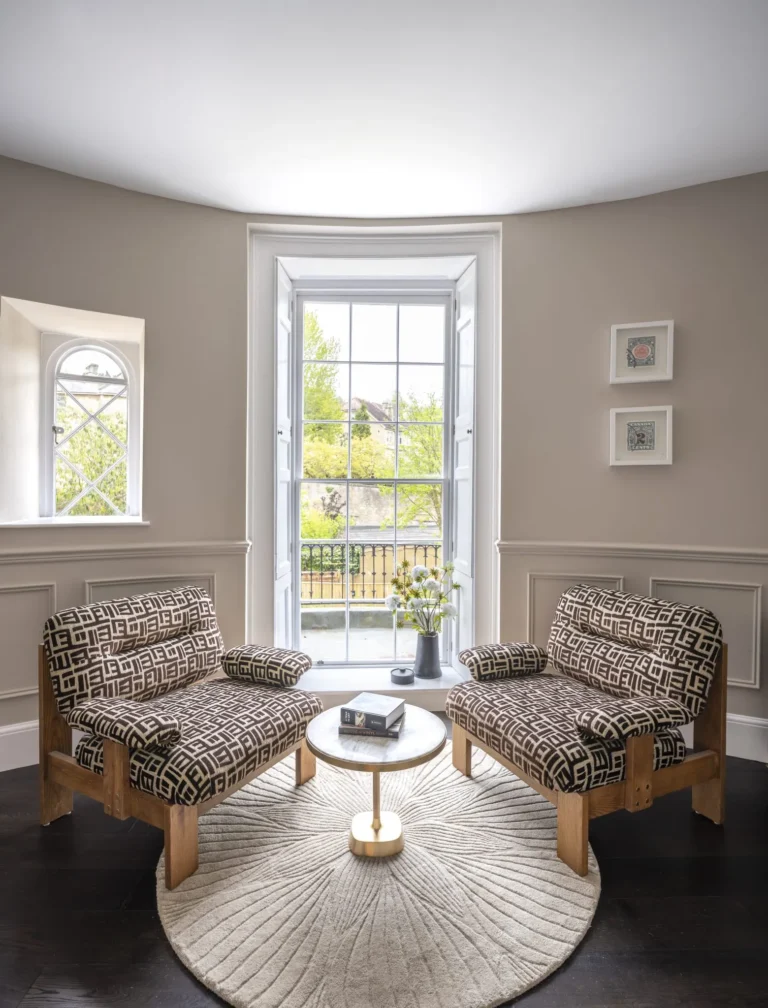
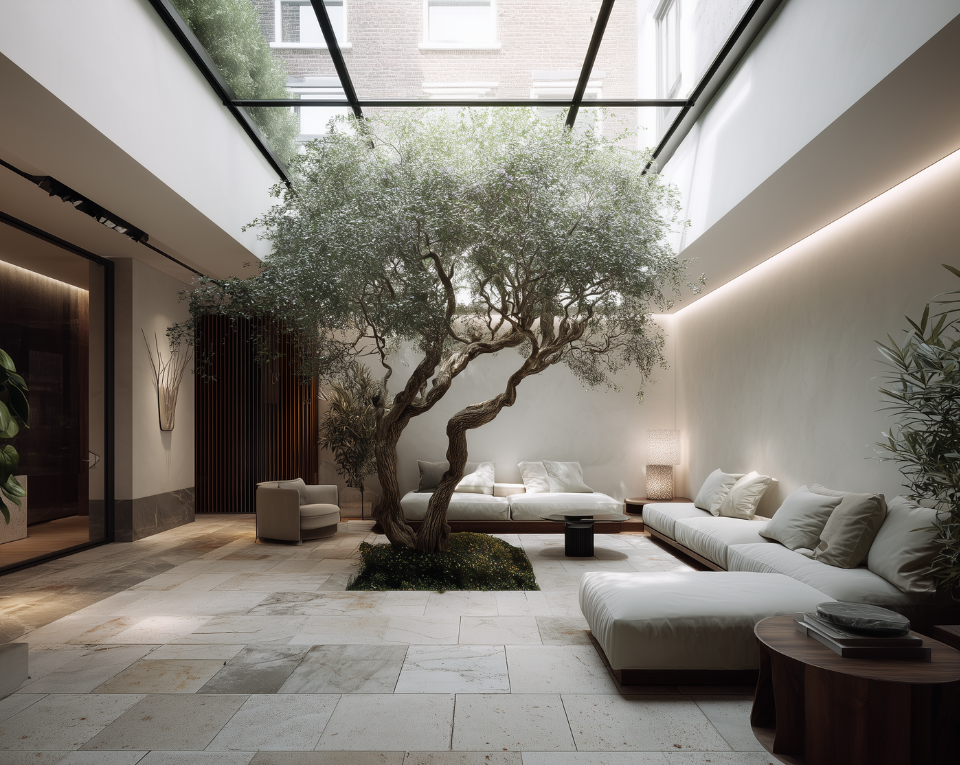
Berkeley Place specialises in transforming and remodelling period buildings for both developer and private clients, a skill that, for Cryer, “demands more than creative vision.” Instead, “it requires an understanding of how architecture, structure, craftsmanship and modern living work together. The best interventions feel as though they have always belonged, enhancing both the character of the property and its long-term value.” Cryer believes that prime period properties deserve this attention to detail, and that the resulting “exceptional luxury homes that perform beautifully today will remain assets for generations to come.”

Project by Berkeley Place

Michael Vale, Co-Founder of Prest Vale

“When designing at scale for professional clients, the focus is on a wider market rather than a specific individual, and project success is typically measured by profit margins above all else,” says Michael Vale, the co-founder of architecture and interior design practice, Prest Vale, alongside his business partner, Richard Prest. “For the designer, this means maximising value while sensibly reducing costs, without impacting the quality of the end product.”

When Vale and his team work with private clients, they enjoy the freedoms of a more bespoke approach. “While cost remains of paramount importance, success is judged by how well the design responds to a specific set of individual requirements,” he says. “Because these projects usually involve only one kitchen and a limited number of bathrooms and joinery items, the design process can accommodate a unique palette or feel in each room to suit the client’s preferences.”

Michael Vale, Co-Founder of Prest Vale business and interiors
Michael Vale,
Co-Founder of Prest Vale

But for multi-unit developments, Prest Vale’s goal is to find value by identifying what will make the property desirable and unique. “We often distil this concept into a single spatial, decorative, or material idea,” says Vale. “Regarding materials, using a particularly special finish more sparingly saves money and can make a stronger statement than overzealous use.” He cites an example where a development featured Portland stone, a premium material, on all the floors. For Vale, “the beautiful English Limestone that took 150 million years to develop deep underground had lost all impact and meaning by the fourth floor.” For Vale, a more restricted, strategic application would have had more impact. “This principle is just as relevant for smaller private jobs,” he says.

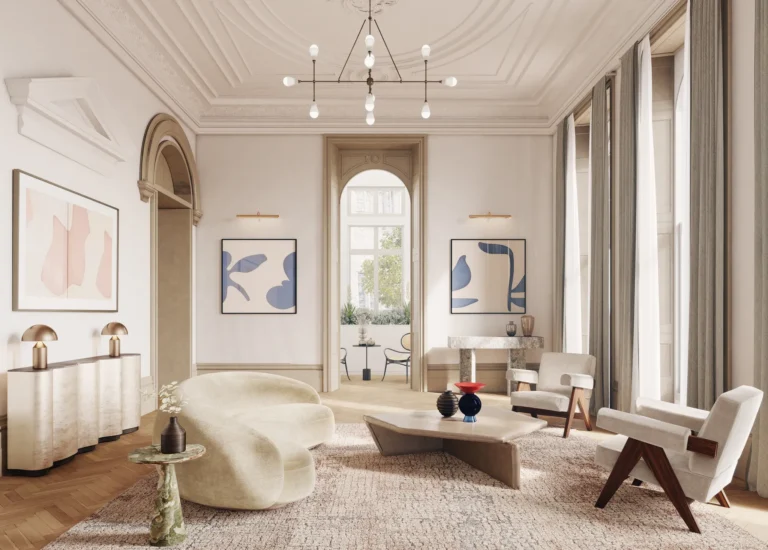
Prest Vale is applying this principle in a scheme of 11 apartments on the north side of Hyde Park where they are using a single 1.5 x 2m slab of leathered quartzite for the powder room floor in each unit.  “When considering the overall cost of a large development like this, finding sufficient savings elsewhere to enable this small moment of extravagance has been easy, yet it creates a very memorable space in each apartment , and one that will undoubtedly add value for our client,” he says.
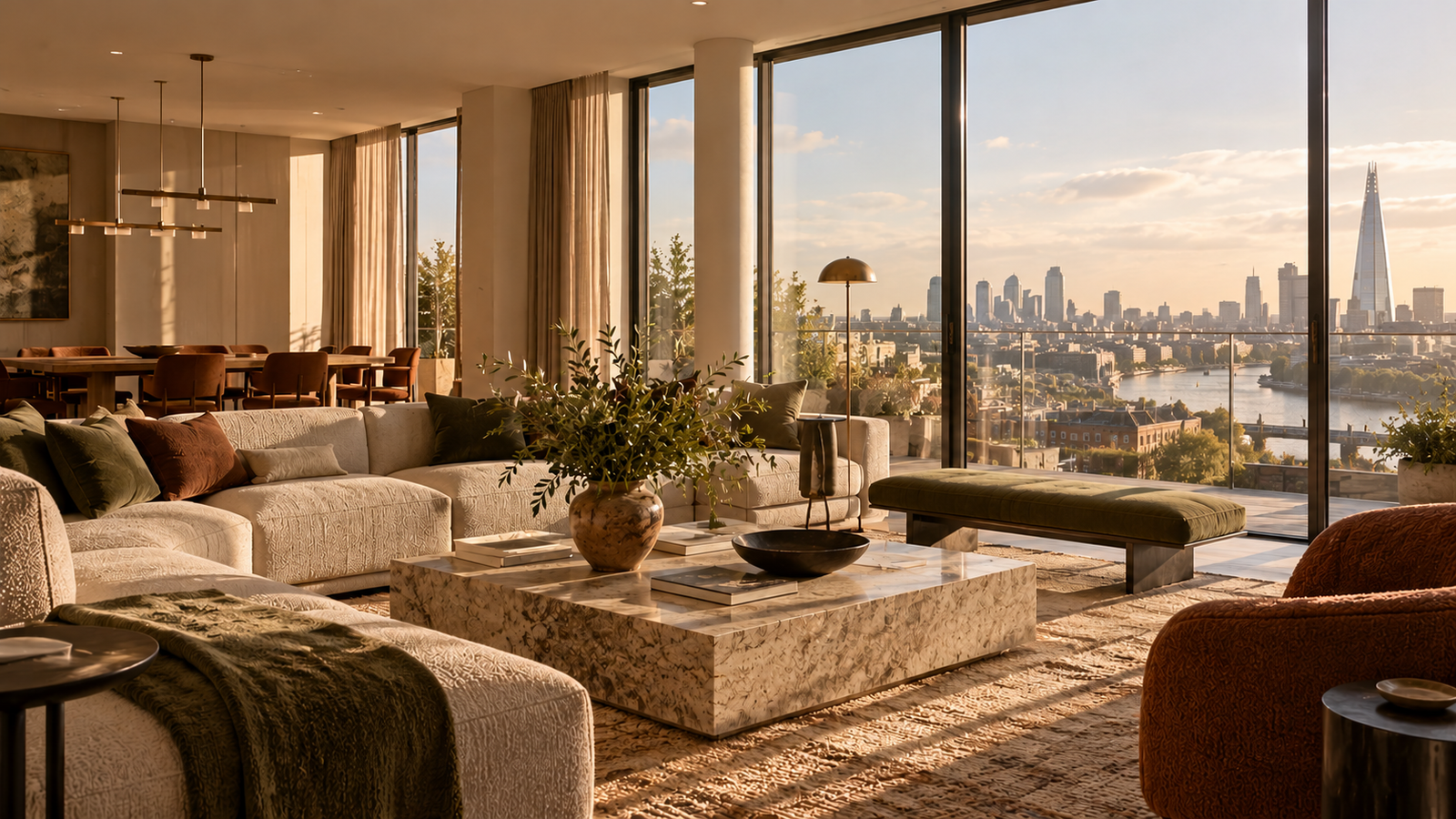
Prest-Vale-Hyde-Park
Project by Prest Vale
alex alonso business and interiors
Alex Alonso,
Founder and Creative Principal of Mr Alex Tate

Alex Alonso, Founder and Creative Principal of Mr Alex Tate

For Alex Alonso, the Founder and Creative Principal of Mr Alex Tate, which operates out of offices in Miami, Los Angeles, Salt Lake City, residential projects offer a view into every stage of the design process. “Clients who are new to the city and relocating and as such managing from afar, clients who are starting a new build from the ground up, clients who have lived in their home for many years and are embarking on a full gut as they head into a new life stage,” are just a few examples of the kind of briefs Alonso has on his desk. 

For his studio, “all projects are mechanically the same,” but for Alonso, “the client journey is different every time.” Whether he’s working in a private home or a residential development, he understands that “ultimately, people want a professional who can be a resource not just in presenting them great options and designs, but also in guiding them through the process.”

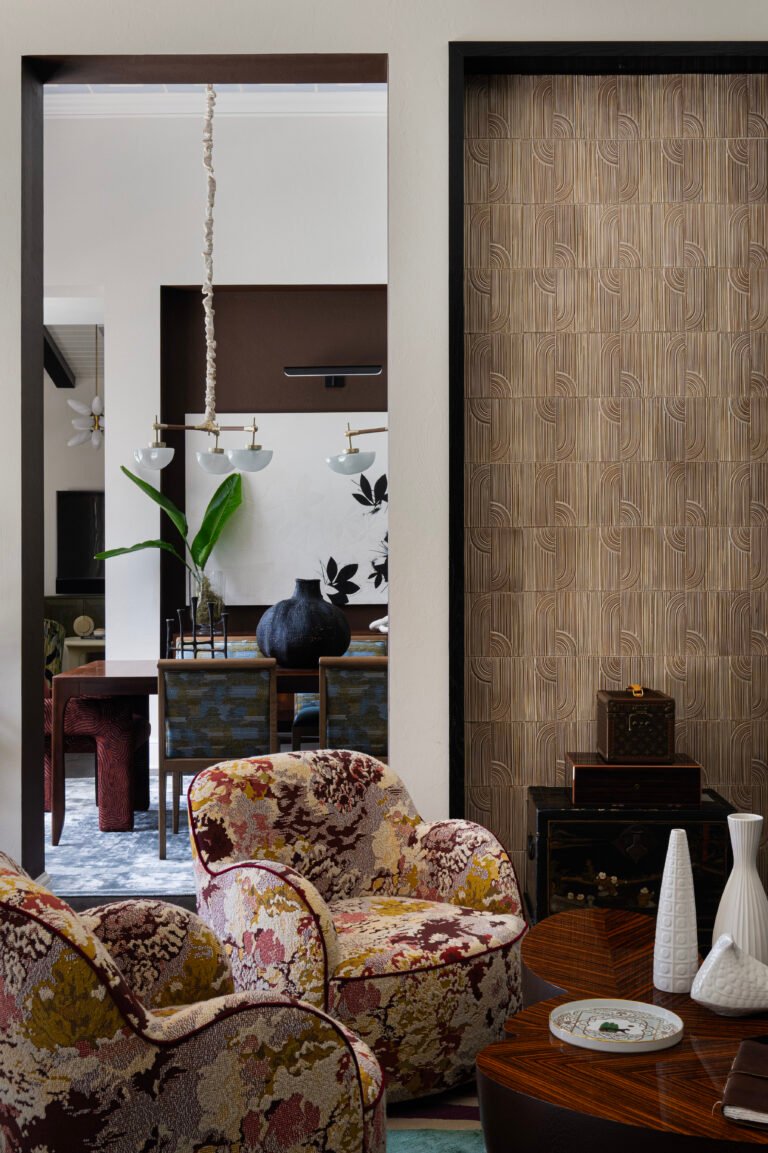
The diversity of Alonso’s work has allowed him and his team to become much more knowledgeable about many aspects of the design process. “The mechanics of construction, the lighting, the plumbing, the tilework, cabinetry millwork, wallpaper installation,” are just a few of the areas he’s become an expert in. For Alonso, “to be a great designer you also have to understand the mechanics of how the design gets implemented.”

Project by Mr Alex Tate

Anya Cooklin-Lofting

freelance journalist

Anya Cooklin-Lofting is a freelance journalist specialising in design, culture, and the arts.

More Articles

The Newsletter for Interior Designers

Get the Latest Insights and Event Updates

Delivered to your inbox, once a week