What I Wish I Knew About Pricing Interior Design Projects When I Started My Studio

pricing interior design projects article by business and interiors

Pricing creative work is one of the most underdiscussed and overwrought elements of running an interior design studio. For many designers, the early years of business are marked by trial, error and, more often than not, undercharging. Yet, with experience comes a deeper understanding of the value of your service. This week, three design leaders share what they wish they had known when they first began pricing projects. From lessons shaped by years of learning to negotiation with the power of hindsight and experience.

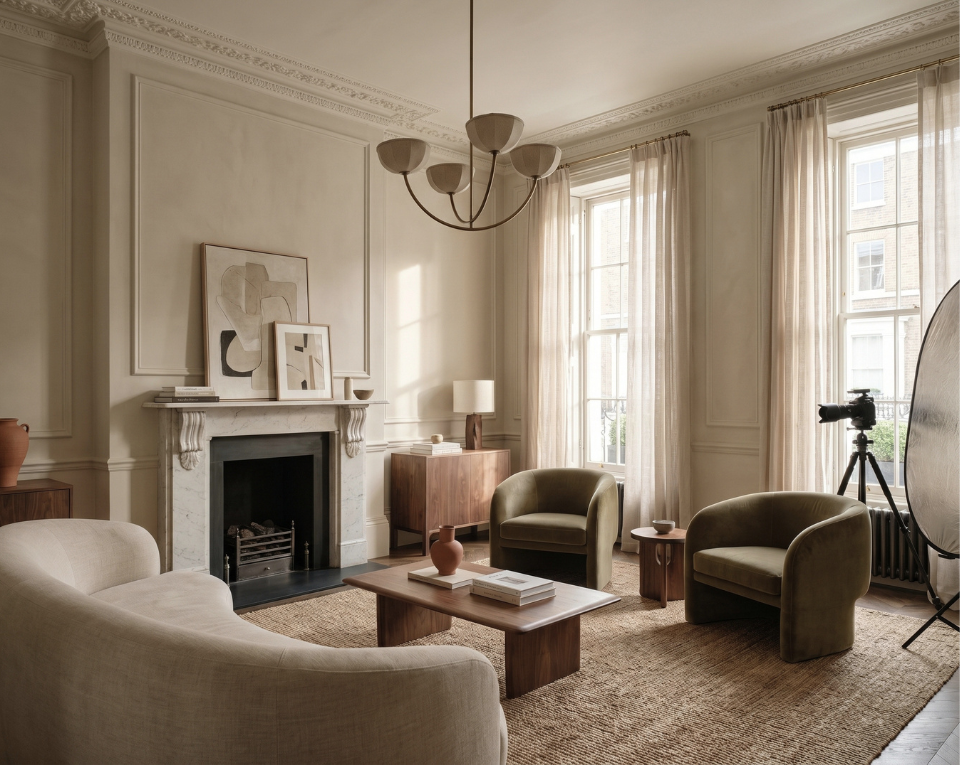
Rebecca Hughes Interiors, Photographed by Astrid Templier business and interiors
Rebecca Hughes
Founder of Rebecca Hughes Interiors

Rebecca Hughes, Founder of Rebecca Hughes Interiors

For Rebecca Hughes, founder of the London-based interior design studio Rebecca Hughes Interiors, developing a structured and transparent pricing model has been a key part of the studio’s growth. “When I first launched the studio, I underestimated the time required on each project and initially undercharged as a result,” she says. 

To address this, Hughes introduced a bespoke Stages of Design framework, based on the RIBA stages, outlining both timeframes and estimated hours for each phase. “We make it clear that we do not move onto the next stage without sign-off of the previous. That way, it limits changes, or if they are unavoidable, at least we as a studio can charge for them,” she says.

Rebecca Hughes Interiors, St John's Wood Town House, www.rebeccahughesinteriors.com (17)
St John's Wood Town House designed by Rebecca Hughes Interiors

Hughes believes that clarity and structure are fundamental to successful pricing, advocating full transparency on scope, deliverables and additional costs from the outset. Her studio operates with a flat procurement fee for items purchased on behalf of clients, passing on full trade prices directly, a model she favours for its simplicity and honesty. 

Reflecting on her journey, Hughes acknowledges that confidence in charging what expertise is worth comes with experience: “I used to do a lot of things for free and didn’t communicate that to my clients, which led to resentment,” she says. “Ultimately, clients respect clarity and directness around fees and process.”

Rose Murray, Founder & CEO, These White Walls

For Rose Murray, founder of interior design studio These White Walls, mastering pricing was of weighing up creativity and structure. “When I first started my studio, pricing was the hardest part to master,” she says. “Creativity flowed without limit, but so did the hours spent delivering it.”

Early on, Murray allowed scope to creep and programmes to extend, absorbing costs rather than charging the client appropriately. “Attaching numbers to the design process felt unnatural,” she says, adding that, in truth, “those experiences were invaluable.” For Murray, “they revealed where the business would quickly become unsustainable if left unaddressed.”

These White Walls Nordelaia Italy rose murray business and interiors
Rose Murray
Founder & CEO, These White Walls
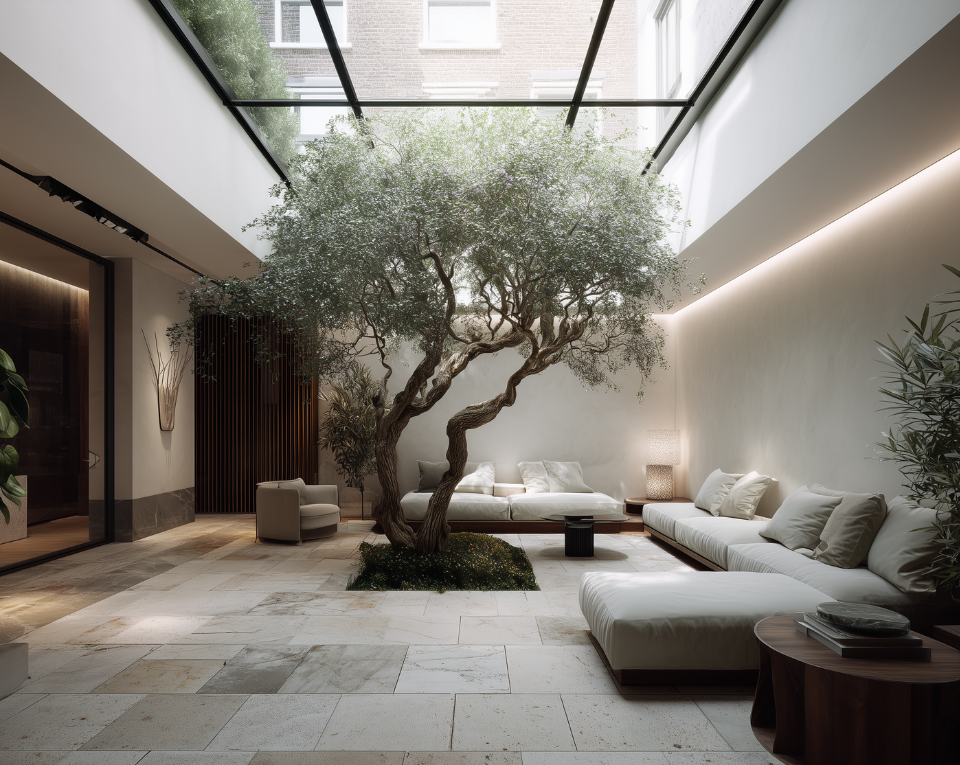
The Ledbury restaurant designed by These white walls interior design studio in London.
The Ledbury restaurant designed by These White Walls

Murray’s key advice to other designers is not to treat pricing as an afterthought, but as central to delivery. “Financial clarity enables creativity to thrive,” she says. “A well-structured fee framework protects both the studio and the client. It ensures the work is delivered with as much rigour as imagination, and communicates confidence in the value of the design itself. ”

mima romanic studio mae interiors business and interiors
Mima Romanic
Founder of Studio Mae Interiors

Mima Romanic, Founder of Studio Mae Interiors

For Mima Romanic, co-founder of non-toxic, wellness-oriented Studio Mae Interiors with Liz Linforth, pricing projects has always been about clarity on both sides, particularly when working with commercial clients like developers. “Early on, we underestimated the time required for coordination, approvals and ongoing communication,” she says, adding, “developers move quickly and expect accuracy, so our pricing had to evolve to reflect that pace.”

Studio Mae Interiors now approaches every project with a clear, tiered proposal that defines scope and deliverables from the outset. “Rather than charging purely for hours, we price for value, for the depth of expertise we bring in wellness-focused, non-toxic design and our ability to create developments that are both beautiful and genuinely healthy to live in,” says Romanic.

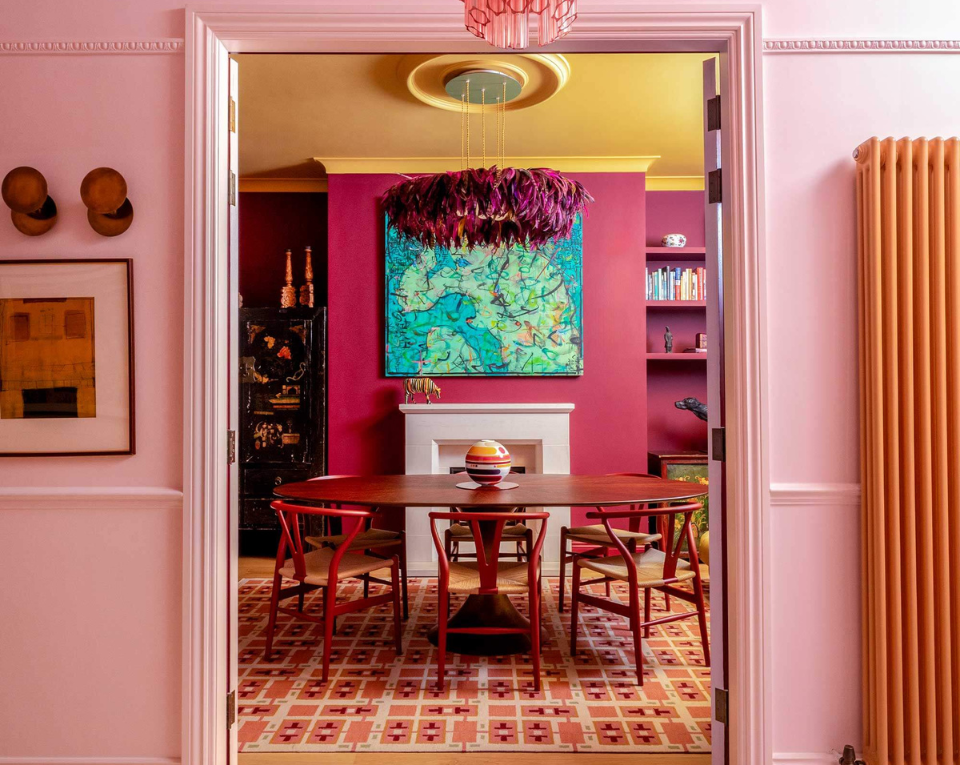
Studio Mae - Butter House - Living Room
Butter House project by Studio Mae

“The biggest shift came when we stopped underplaying our worth.” Romanic believes that  leading pricing conversations with confidence can improve your rates, and even bring developers to respect the process and the expertise behind a studio’s design decisions. 

Anya Cooklin-Lofting

freelance journalist

Anya Cooklin-Lofting is a freelance journalist specialising in design, culture, and the arts.

More Articles

The Newsletter for Interior Designers

Get the Latest Insights and Event Updates

Delivered to your inbox, once a week