The Future of AI in Interior Design

Artificial intelligence is well and truly integrated into interior design and architecture. Responses have so far been mixed, from excitement to curiosity and, in many cases, uncertainty. But if you speak to practitioners who are actively experimenting with AI tools, it becomes quite clear that, broadly speaking, they don’t feel that AI is here to replace designers, but to help them. 

All being well, the future forming as we speak is one where creativity is augmented by AI, ideas are explored and sign-off is attained more rapidly, and communication with clients becomes clearer. To understand how this shift is unfolding in real studios, we spoke to three leaders working with AI in different ways. Their experiences reveal an industry at a fascinating moment of transition, but read on to discover how real-world applications of AI in interior design are faring so far…

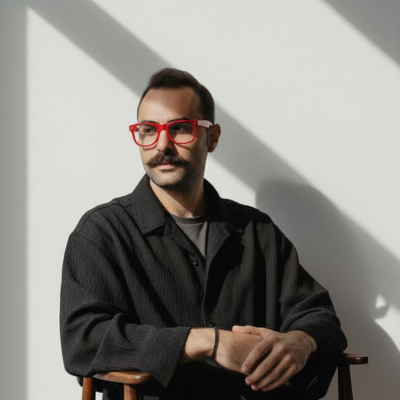
Amir Hossein Noori, Co-Founder & Director, AI Hub
Helen Knox, Co-Founder of Lewis Knox

Helen Knox, Co-Founder of Lewis Knox

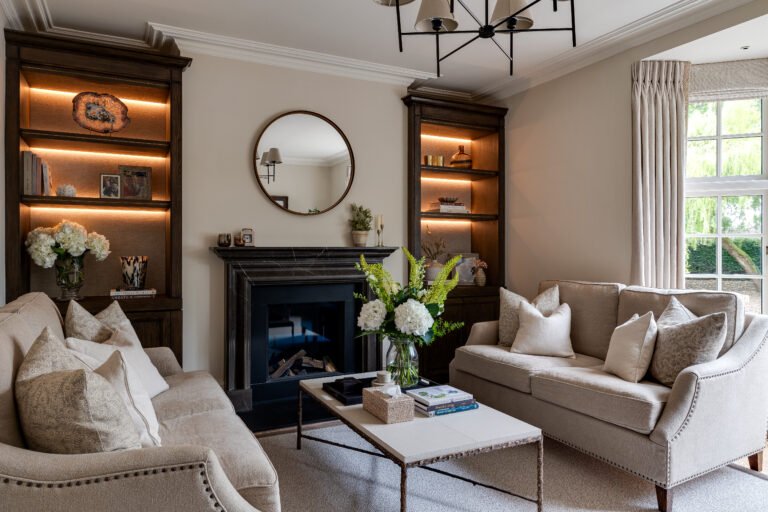
At Lewis Knox, AI has quietly woven itself into the early stages of the design process, creating space for faster thinking and more fluid exploration. “We tend to use Chat GPT and Midjourney to help initiate design development,” says Helen Knox, co-founder. “At the brainstorming and development stages, it’s useful for profiling client types, helping with content planning, and general administration tasks.” However, Knox understands that the software is still so nascent. “It would be great to do it more, but we need the time to test it out and hear what others have tried in our industry.”

Creatively speaking, Knox isn’t worried about AI usurping genuine human creativity in her studio. “It’s not that we’re disappointed by the outputs AI generates, but I’m not expecting it to take over my job,” she says, adding, “I’ve been surprised at its capacity to develop an image so quickly from a series of inspiration images, but it’s not perfect.” Some of the things Knox has noticed are floating stair treads or missing doors, but she is certain things will develop. 

But what are the next steps, and how will it develop? “I’m awaiting AI’s integration with CAD as that will be a huge shift for our industry, streamlining and reducing the need for heavy resources on CAD, which is a huge part of our current role day to day,” says Knox. “When this happens, you will witness a big change…”

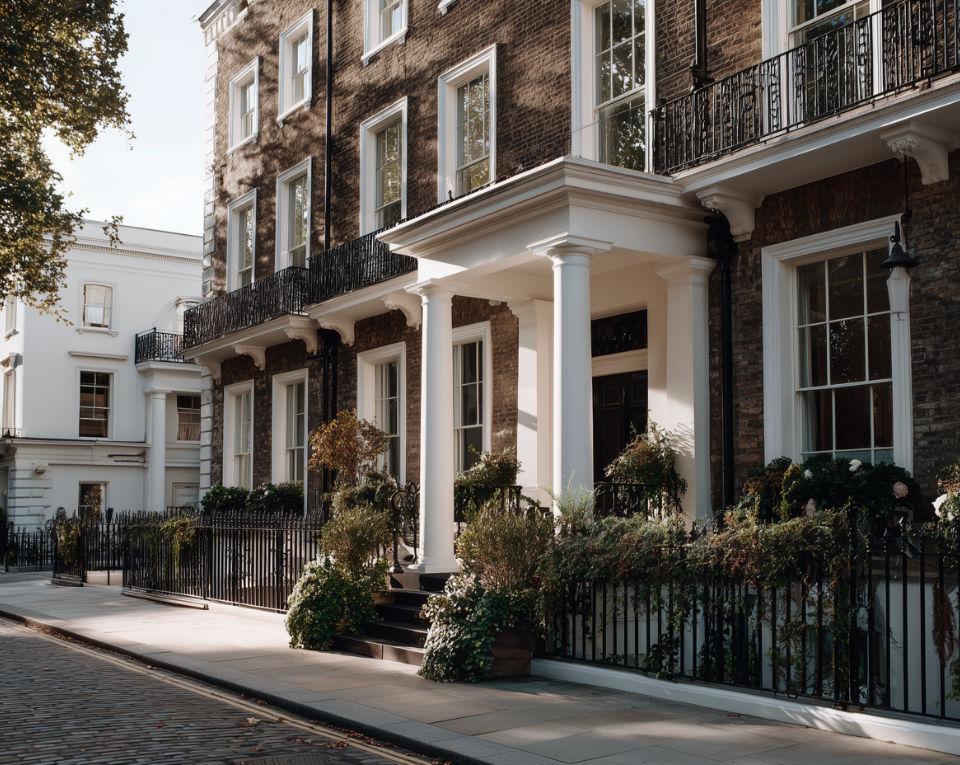
Project by Lewis Knox

Amir Hossein Noori, Co-Founder & Director, AI Hub

Where Lewis Knox uses AI as an accelerator for creativity, AI Hub uses it as an integral part of their creative and operational identity. Amir Hossein Noori, the co-founder, says that, “AI tools like Nano Banana Pro inside Narva AI have become the backbone of our conceptual design, client presentations, and visualisation workflow.” For his team, “the biggest shift has been the ability to move from idea to visual clarity in a matter of minutes instead of days.”

Amir Hossein Noori, Co-Founder & Director, AI Hub
Amir Hossein Noori, Co-Founder & Director,of AI Hub

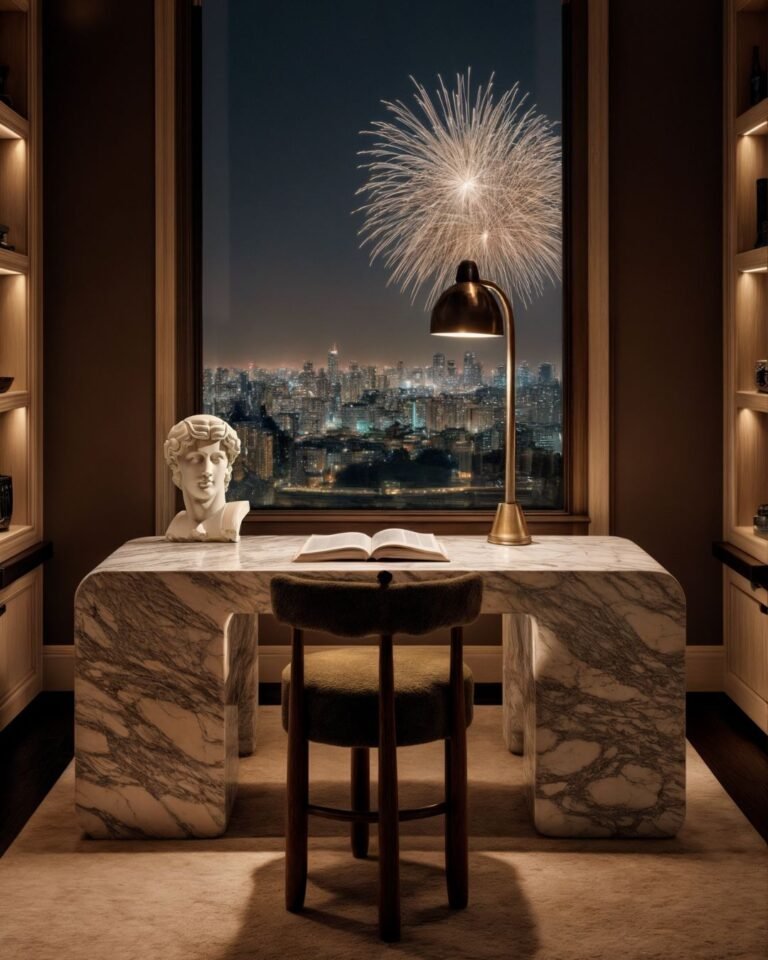
At the moment, the way AI Hub works is by getting ideas down, with rough, intuitive sketches, which Noori describes as “explorations of geometry and atmosphere,” which they then translate into fast conceptual renders. At this stage, Noori and his team keep the visuals intentionally ambiguous, so they are prompted to “speculate, iterate, and test ideas without premature commitment.” 

“Once the concept is rationalised internally, we use AI again to transform those early sketches into clear spatial studies and precise visualisations,” he says. “This allows us to show clients our thought process in a transparent, structured way - sketchy ideas first, and once the direction is approved, realistic renderings that communicate the final intent.”
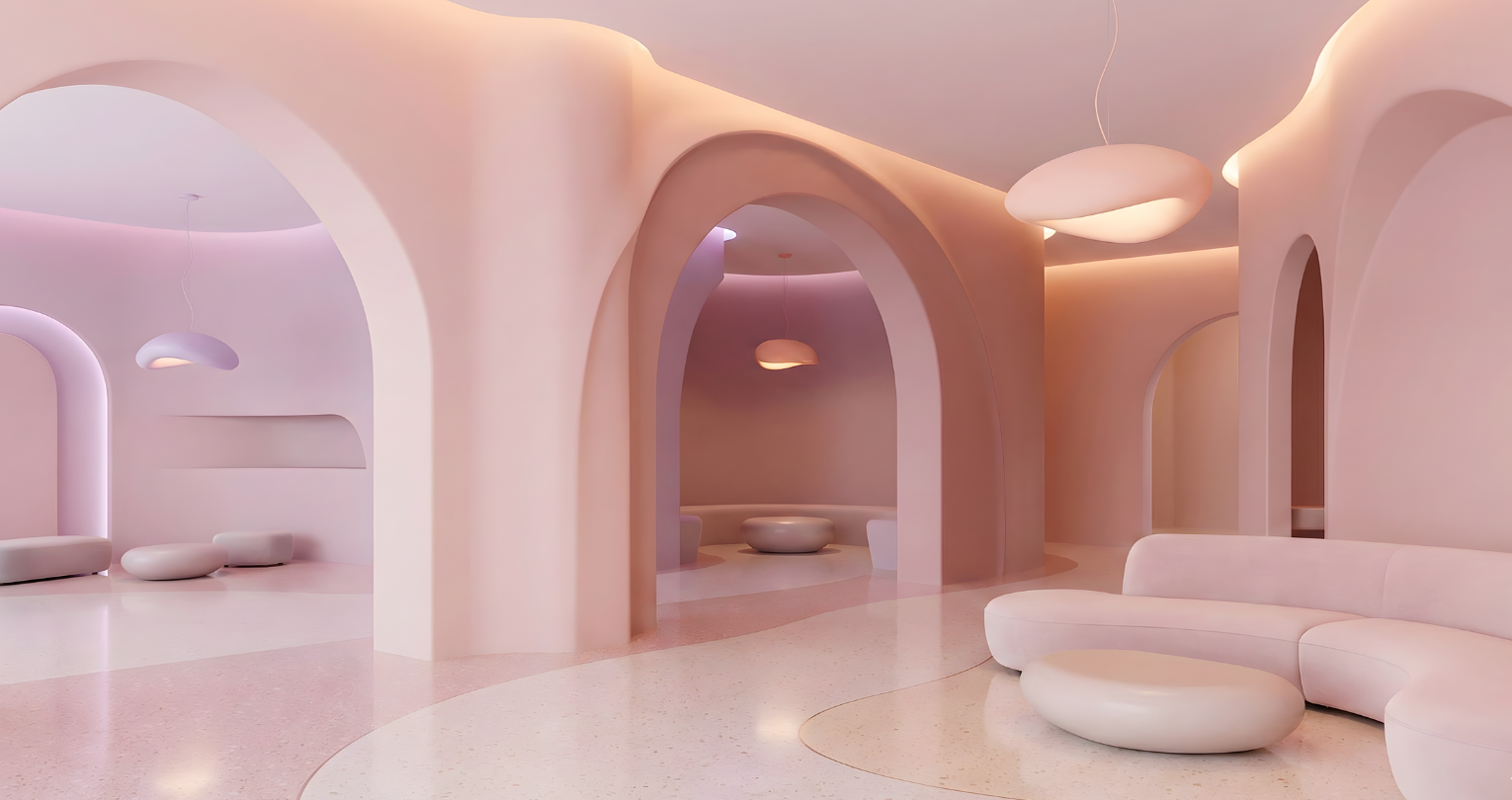

Design Concept by AI Hub
Federica Buricco, Studio Practice Leader of HKS
Federica Buricco
Studio Practice Leader of HKS

Federica Buricco, Studio Practice Leader of HKS

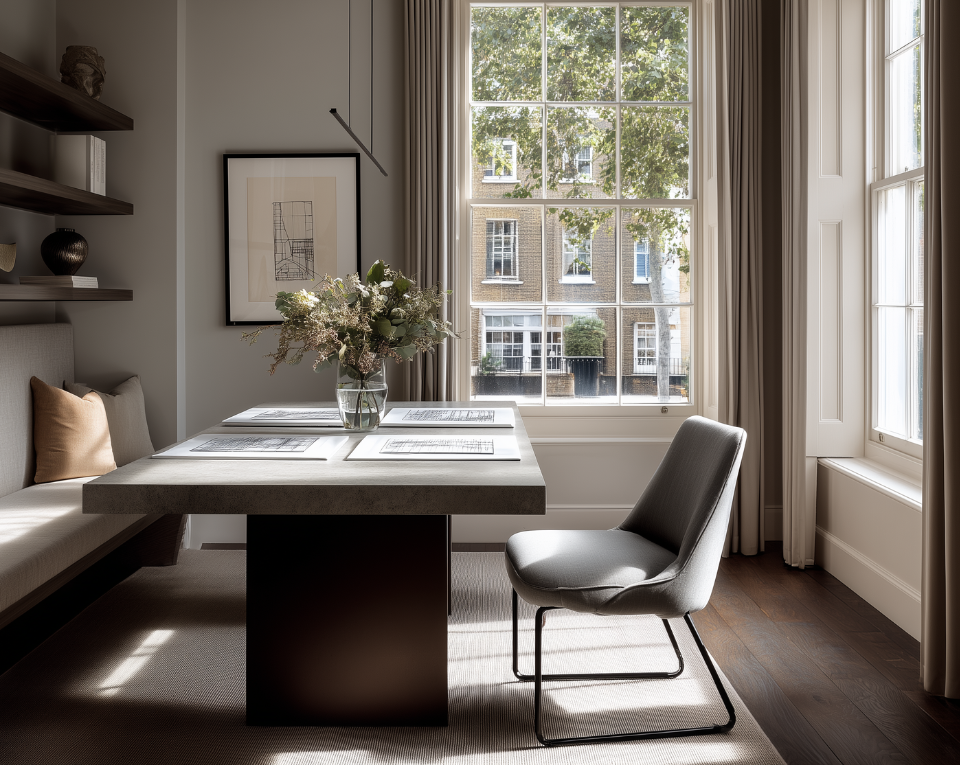
For Federica Buricco, Studio Practice Leader at HKS, the future of AI is best understood in the context of the methods that designers and architects have embraced over the decades. “The future of AI in architecture is shaping up to be an evolution of the tools we’ve always used to communicate ideas, much like the shift from hand sketches and watercolour illustrations to digital renderings.” What she values about AI is that it allows studios to visualise concepts instantly, turning rough thoughts into compelling imagery that clients understand and can respond to. “This accelerates early decision-making and builds consensus without compromising the creativity that defines residential design,” she says.

For Buricco, AI can be a liberating force in the studio. “It frees us to explore a wider range of solutions, aesthetics, and spatial ideas that might never have been considered due to time constraints,” she says. “By rapidly generating variations, AI becomes a catalyst for deeper exploration rather than a shortcut around design thinking. Ultimately, as these tools integrate more seamlessly into workflows, they may not only speed up the design process but even contribute to building homes more efficiently in the future.”

corinthia maldives resort hks business and interiors
Project by HKS

Anya Cooklin-Lofting

freelance journalist

Anya Cooklin-Lofting is a freelance journalist specialising in design, culture, and the arts.

More Articles

The Newsletter for Interior Designers

Get the Latest Insights and Event Updates

Delivered to your inbox, once a week