The traditional project-based model is not holding up for many residential interior designers. It is no longer the sole expression of their creative practice, and as the industry evolves, studios are finding new ways to extend their reach. Most commonly, they are developing product lines, but there are also instances where services are expanded into educational platforms or B2B offerings that bring their skills to wider audiences. These ways of working allow designers to stay connected with clients and followers between projects, build brand recognition beyond private commissions, and create new avenues for creativity.
From fabric collections and staging services to design courses, diversification is becoming an increasingly strategic part of contemporary practice. For studios such as Salvesen Graham, Celine Interior Design and Kelling Designs, expanding beyond high-end, residential interiors has not only broadened their audiences but also reshaped how they think about their work, turning design their businesses into multi-disciplinary brands with influence that reaches beyond project work.
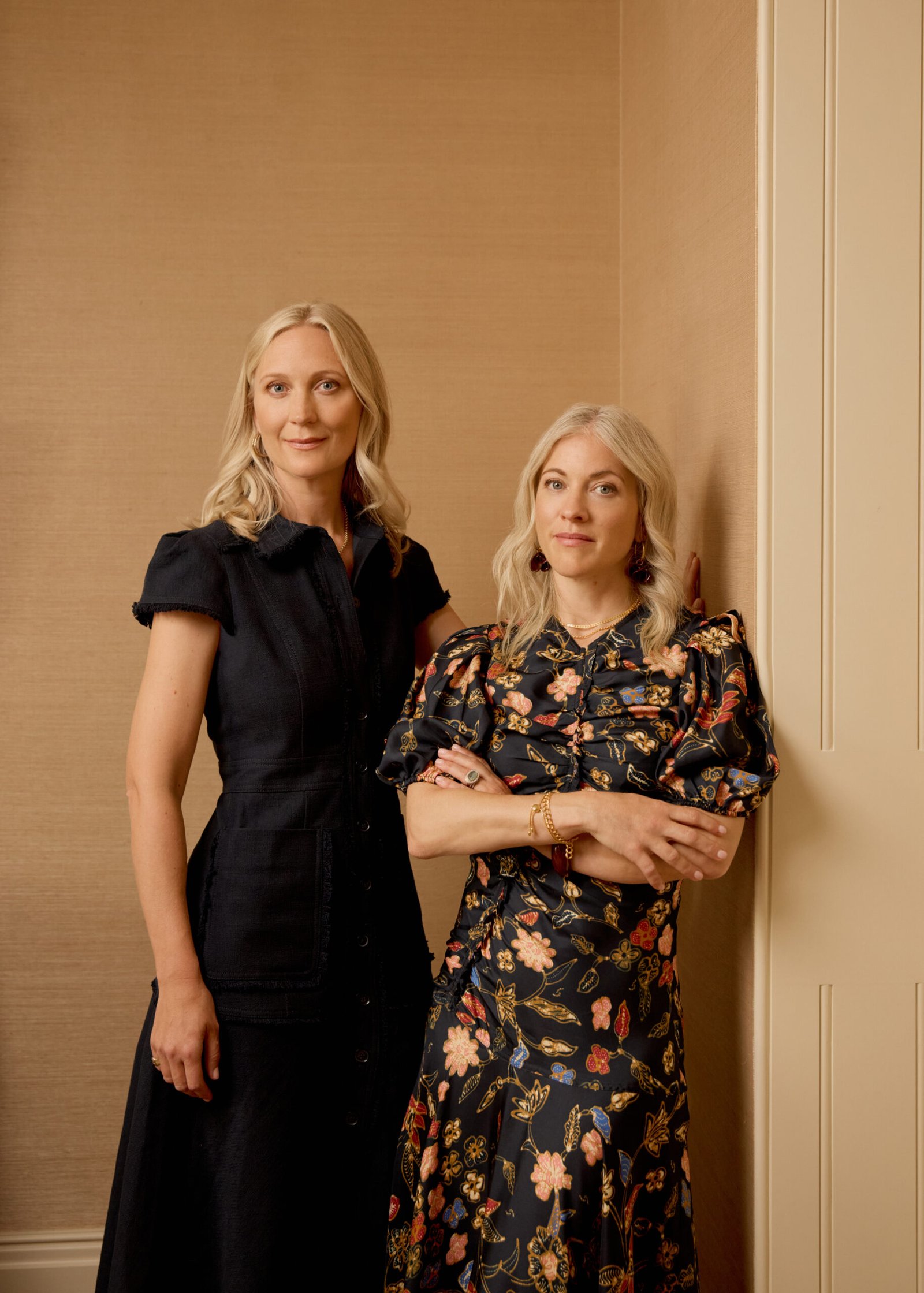
Founders of Salvesen Graham
Mary Graham and Nicole Salvesen, Founders of Salvesen Graham
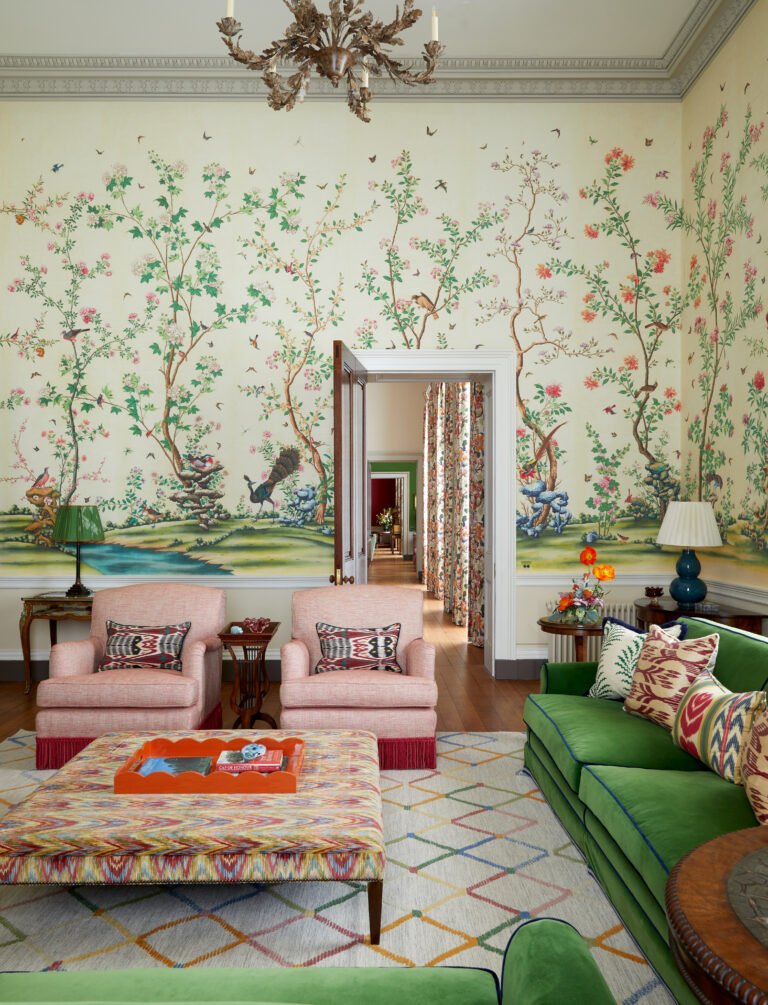
For Mary Graham and Nichole Salvesen, the founders of Salvesen Graham, developing a product line allows the brand to stay relevant to a wider range of audiences, beyond the immediate contact they maintain with clients. “Interior design projects are long by nature and can take years from concept to completion. There are natural pauses between phases, installations and photography. We wanted something tangible that would keep the conversation going, both creatively and publicly. A product allows us to remain in the forefront of people’s minds and to have something to share with press and followers even when projects are still under wraps.”
Lockdown was a pivotal moment for the development of this area of the business. “During that period of uncertainty, we decided to forge ahead and create our first fabric collection,” they say. “It was born from the idea that people who were not working with interior designers should still be able to access something thoughtful and characterful.”
“On a more romantic level,” the pair shares, “it was about creativity. Design projects take time, and the truly creative moments can be fleeting within the wider process. Product design became another outlet, somewhere to channel that creativity more freely and more regularly.” However, Graham and Salvesen have faced challenges, which include having to learn an entirely new rhythm of working. “Product requires long lead times, close collaboration with mills and suppliers, and a deep understanding of production processes,” they say.
But clearly this has been a worthwhile investment. “Diversification has significantly strengthened our brand recognition. A collection is visible and accessible. It travels beyond our own projects and into other people’s homes and schemes, broadening our audience,” they say.
Now, Salvesen Graham has a concise but varied product offering. This includes wallpapers, furniture, lighting, accessories, cushions, rugs, and fabrics, which alone are stocked in New York, Madrid, Charleston, Palm Beach and London. “The collection has expanded our reach internationally while remaining rooted in our aesthetic,” say Graham and Salvesen.
Noor Charchafchi, founder of Celine Interior Design
“We have recognised that clients want more of the Celine experience in all aspects of their lives,” says Noor Charchafchi, the founder of Celine Interior Design, which has an expanding portfolio that moves between high-end residential, yachts, and commercial hotels. “Clients are increasingly interested in understanding the thinking behind luxury design and the process, so we’ve launched a design mastery course which sets out to ensure design and luxury can be achieved by anyone - designer or non-designer.”
“It really began during Covid,” Charchafshi says. “We saw a fundamental shift in how people were living. Suddenly, the home wasn’t just a place to sleep, but it became an office, a restaurant, a gym, and a sanctuary. People were craving more control over their environments and more intention in how they curated their everyday experiences.”
Founder of Celine Interior Design
For Charchafchi, interior design is all about designing experiences, not just spaces, so developing a course felt to her like a “natural extension of what we do.” Through Celine Interior Design Mastery, Charchafchi wants to “empower people to curate meaningful, sensory, and elevated experiences for themselves.” For the studio, “incorporating an educational or course element allows us to democratise our design philosophy, giving people the tools, language, and confidence to think like designers in their own lives.”
Delivering the course to clients has been something of a learning curve for Charchafchi, too. “When you teach something, you have to understand it at a far deeper level,” she says. “Building the course made us articulate our process, define our philosophy, and systemise the way we deliver excellence. That clarity has strengthened our client work enormously. We’re more intentional, more structured, and more aligned in how we operate.”
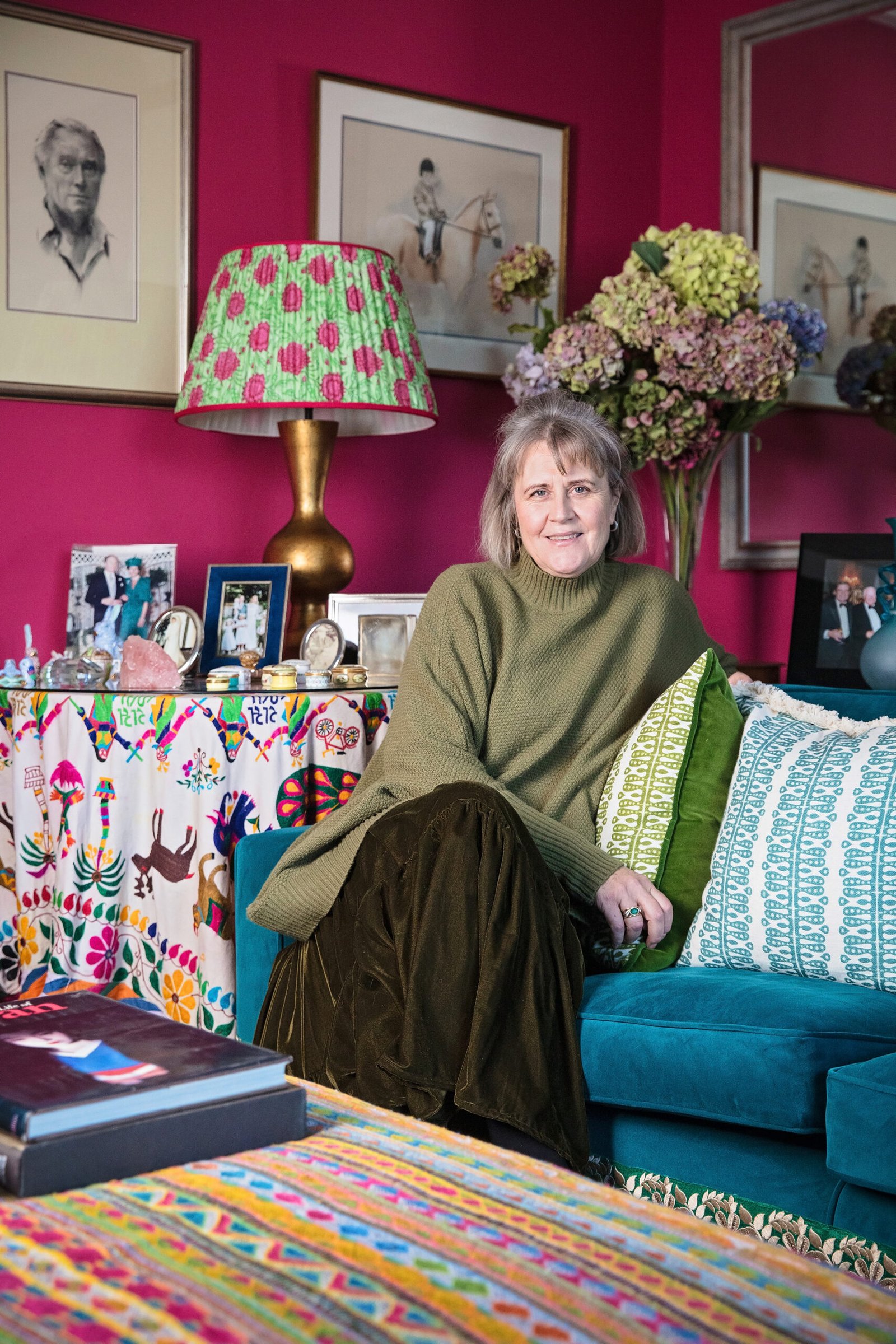
Emma Deterding, Founder and Creative Director, Kelling Designs, Kelling Home and Kelling Staging
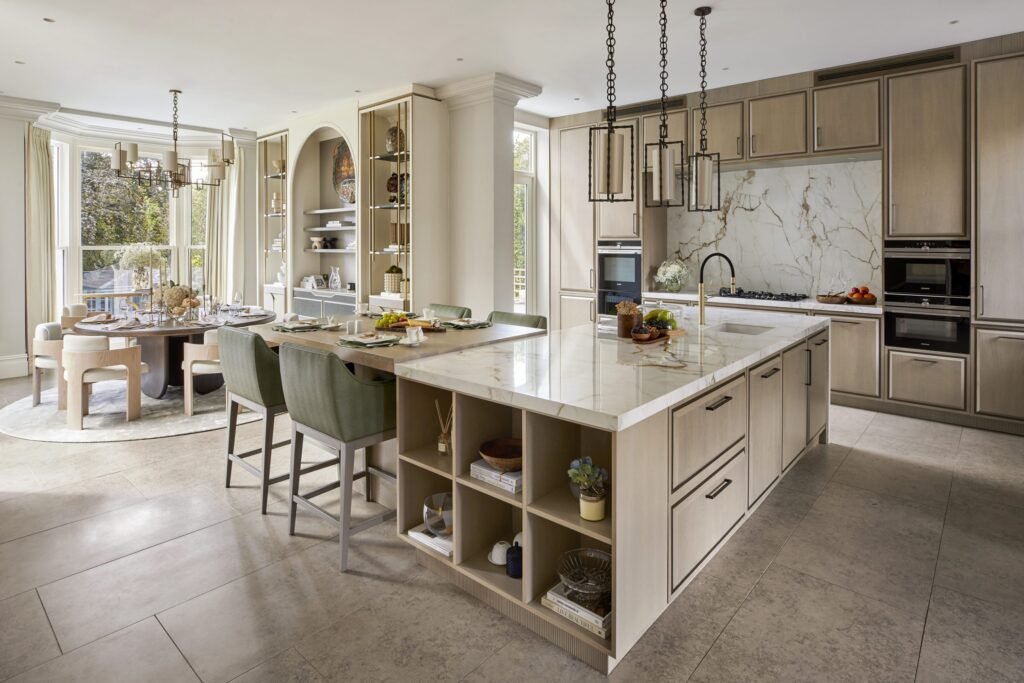
“The decision to diversify came almost naturally and felt like the right step as the business progressed,” says Emma Deterding, the Founder and Creative Director of Kelling Designs (inteior design), Kelling Home (a product line), and Kelling Staging (property staging). For Deterding, the staging service is what clearly demarcates the business in the market, and rightly so. “It seemed obvious to us that staging companies were rather generic and hotel-based in their approach when we first started, with the looks being bland, cheap and not reflective of good interior design,” she says. “We wanted to apply the same approach we do to our interior design projects to help make homes sell faster, opting for designs that are carefully measured, truly bespoke to each property and include elements like original artwork.”
For Deterding, offering a staging service felt like a holistic and organic way to expand the business, particularly because of the recent influx of new residential buildings, which all needed help standing out in a crowded market. However, even though this seemed a golden opportunity, diversifying the business was a challenge. “Finances have to be the biggest challenge when branching out,” says Deterding. “You need to invest significantly with furniture, storage, and people power to be able to stage multiple properties to the standard that’s required.”
For a studio that has always traded on its bold use of colour and design-led approach, staging has been another great way to demonstrate this to its network. “We design for homes, not homes that look like hotels, and on the whole, our clients and the estate agents we have relationships with appreciate this and trust us to make properties stand out.”
Anya Cooklin-Lofting
Anya Cooklin-Lofting is a freelance journalist specialising in design, culture, and the arts.