Why I’m Not Trying to Grow a Big Interior Design Studio, Just a Better One

Why I’m not trying to grow a big interior design studio - just a better one designers journal

Many interior design studios boast scale in their pitches. They’re “big enough” to handle large and complicated briefs, and scale is seen in the eyes of the client as a marker of success. However, there are some studios operating at the top of the game that are choosing a different approach, and refuse to be defined by headcount. Instead, they prioritise their broader network of suppliers and craftspeople, their personal connections to their clients, and their creative visions.

This week, we spoke to three studio founders who have each made a conscious decision to resist accelerated company expansion in favour of building thoughtful, more tightly run practices.

From staying hands-on to retaining talent and forging genuine client relationships, Brian Woulfe, Claudia Dorsch, and Sophie Paterson share why smaller studios can thrive alongside the ranks of the greatest industry names. 

claudia dorsch interior design business and interiors
Claudia Dorsch, Founder of
Claudia Dorsch Interior Design

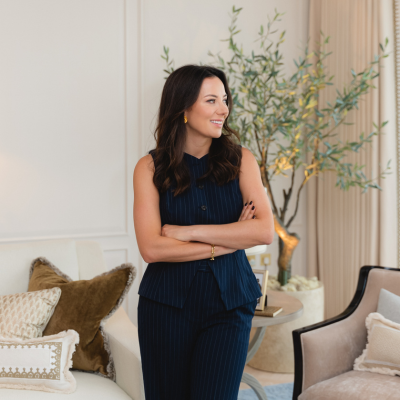
Claudia Dorsch, Founder of Claudia Dorsch Interior Design

Rapid company growth never appealed to Claudia Dorsch, the founder of Claudia Dorsch Interior Design, the residential practice famous for its chalets. “Instead, I focus on cultivating a tight-knit, highly skilled, value-driven team that allows me to remain deeply involved in every project,” says Dorsch. “I also maintain strong client relationships and uphold the design integrity our studio is known for,” she adds.

“A smaller team allows us to remain agile, value-led, and design-focused,” says Dorsch, on the understanding that it’s important for clients to receive a truly personal, considered, and intelligent experience. For Dorsch, this is “something that can easily be lost in larger, more production-driven studios.”

This is also manifested in Dorsch’s highly personalised approach to client briefs. By keeping the team intentionally small, she is able to approach each project with a fresh, creative lens, rather than applying a one-size-fits-all aesthetic. “Whether we’re designing for the mountains, the city, or the sea, my process is driven by deep human connection, mapping each client’s context, lifestyle, and aspirations, while respecting the unique character of every property and place.”

claudia dorsch interior design project business and interiors
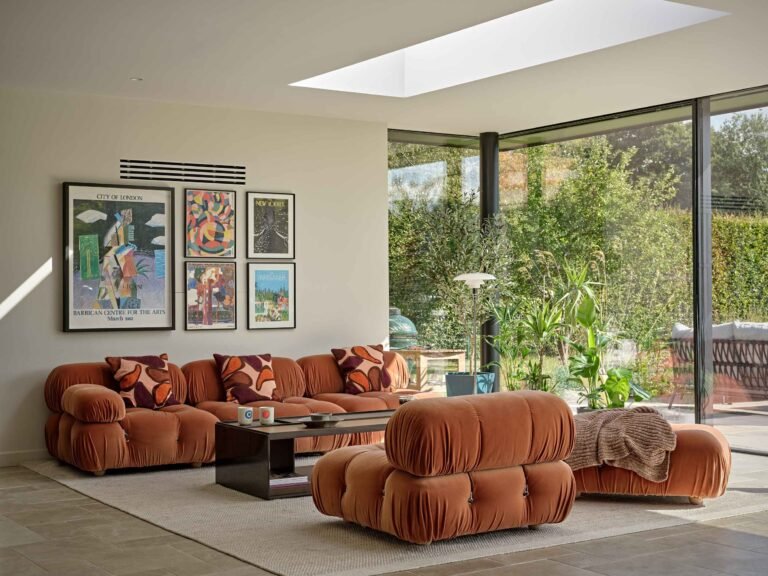
Project by Claudia Dorsch

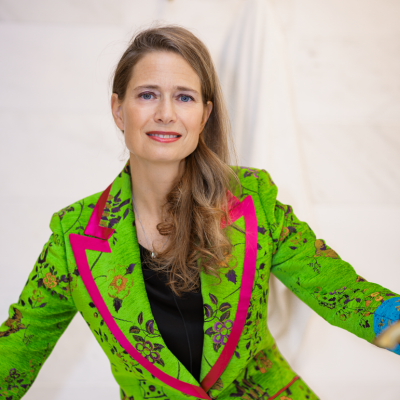
Brian Woulfe, Founder of Designed by Woulfe

“From day one, the intention has been quality over scale,” says Brian Woulfe, Founder of Designed by Woulfe. “Keeping the studio small allows us to uphold our values, maintain creative consistency and deliver work that is precise, personal and enduring.” For Woulfe, staying small allows his team to, “protect the creative integrity of the work while ensuring every project receives a consistent level of care, attention, and authorship.”

Rather than building a large, multi-disciplinary team in-house, Woulfe collaborates with a trusted network of specialist partners, including project management, architecture, HR, legal and accounting, all of whom support his studio. “This structure gives us flexibility without compromise, allowing us to assemble the right expertise around each project while keeping the creative direction clear and tightly held,” he says.
Brian Woulfe, Founder of
Designed by Woulfe

Many design studios, large or small, operating in luxury markets, must deal with time-poor international clients for whom trust is paramount. The early stages of a project are almost always about winning their trust, and for Woulfe, keeping a small team allows him to do this most effectively. “We invest time upfront in understanding how our clients live, how they want their homes to feel, and what truly matters to them. By working as a small studio, we are able to offer a more personal, responsive experience, with clear communication and no dilution of vision,” he says.

designed by woulfe project business and interiors
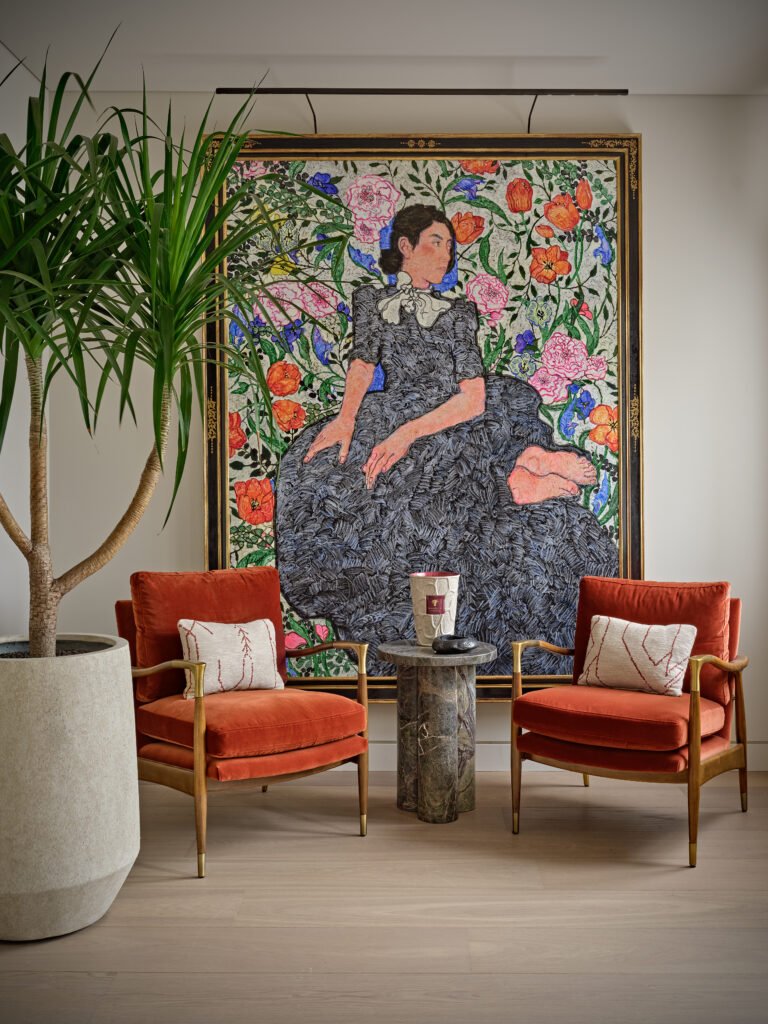
Project by Designed by Woulfe
Sophie Paterson, Founder of
Sophie Paterson Interiors

Sophie Paterson, Founder of Sophie Paterson Interiors

Sophie Paterson, the Founder of Sophie Paterson Interiors, knew from the very beginning that she always wanted to remain hands-on with her projects. “This is why I intentionally decided to keep my team under twenty people,” she says. “Beyond that number, it’s easy to slide into a less-active, founder-type role, where the number of projects you need to sustain the large team doesn’t allow you to be involved in every aspect of the design work.”

Sophie Paterson Interiors is now eighteen years old, and has a team of sixteen. “When it comes to hiring, I do this slowly and thoughtfully,” says Paterson. “I choose to do this to ensure that our workforce is stable and secure. We don’t want to foster a hire-and-fire culture by panic-hiring when we win a big project, leading us to fire the same people during quieter periods.”

But what is Paterson actually looking for in this hiring process, and how can you spot the virtues of a great hire when keeping the team small? “When hiring, we look for talented individuals with a great eye for detail, as well as those with great communication and organisation skills,” she says. But it goes beyond the quality of the work: “We spend so much time at work that I want to be surrounded by positive team-players who are passionate about what they do. I’m conscious that our energy impacts those around us, so I want my team to be full of nice, well-rounded individuals.”

Anya Cooklin-Lofting

freelance journalist

Anya Cooklin-Lofting is a freelance journalist specialising in design, culture, and the arts.

More Articles

The Newsletter for Interior Designers

Get the Latest Insights and Event Updates

Delivered to your inbox, once a week